
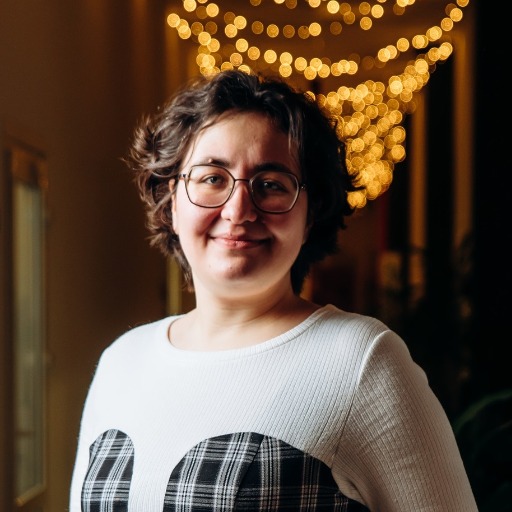

Dmytro Hrytsenko, CEO of Master of Code Global, has just returned from the World Economic Forum Annual Meeting in Davos, where political, business, and technology leaders gather each year to discuss the most pressing economic and societal challenges.
The 2026 meeting brought together heads of state, Fortune 500 executives, tech experts, and policymakers to focus on growth, resilience, and responsible innovation. Artificial intelligence (AI) was present across many discussions, but the tone this year was notably different from last year.
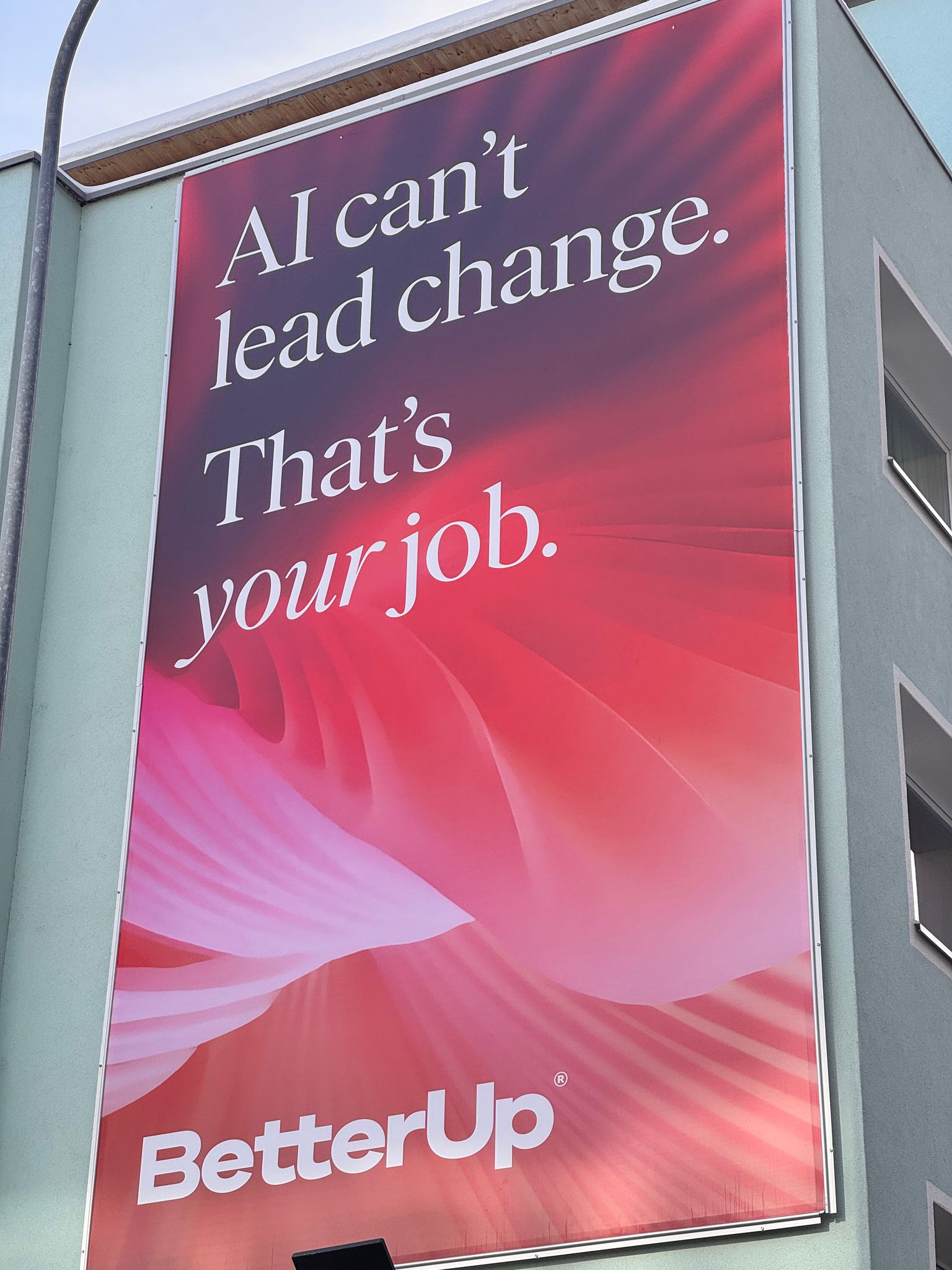
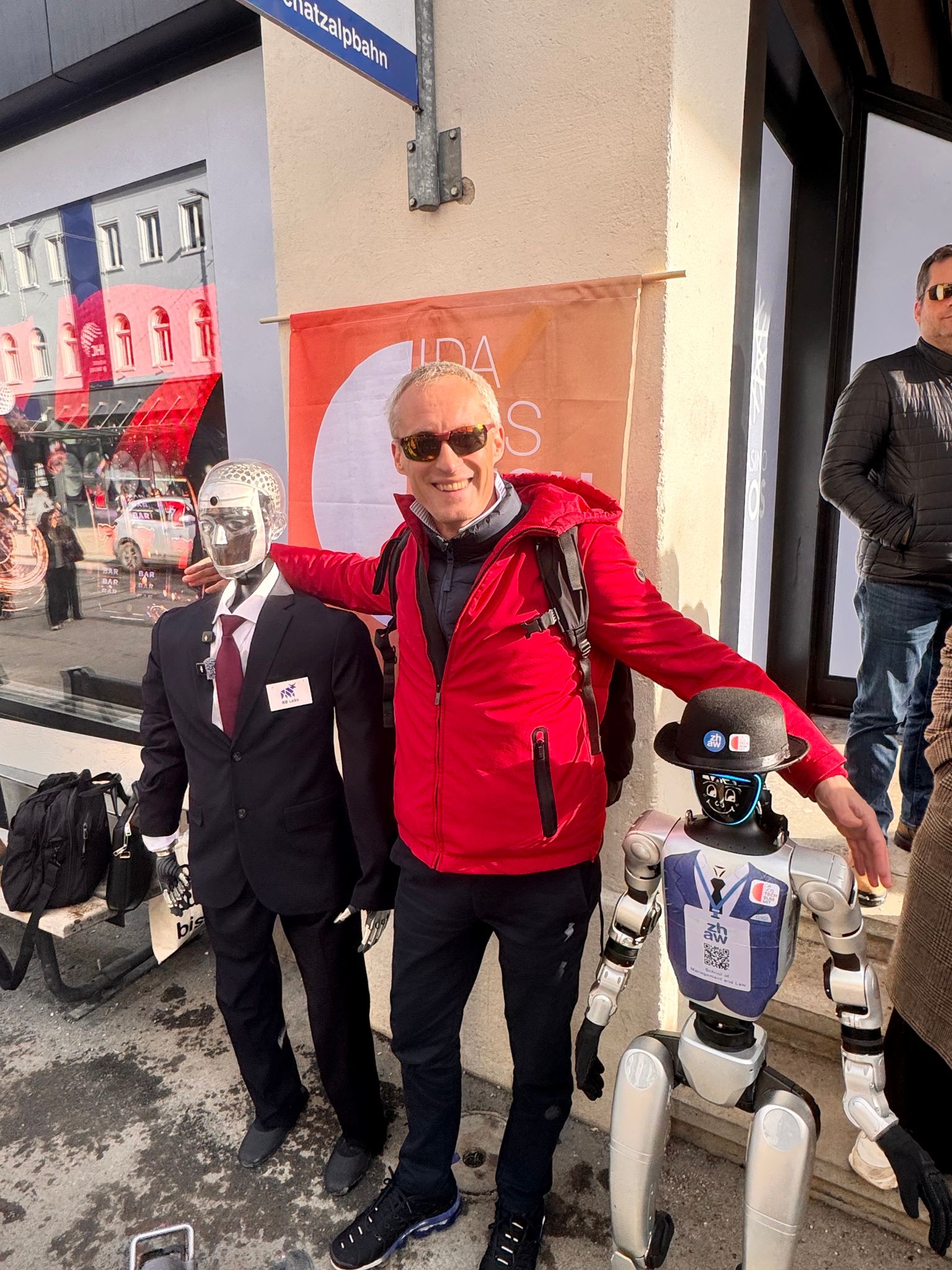
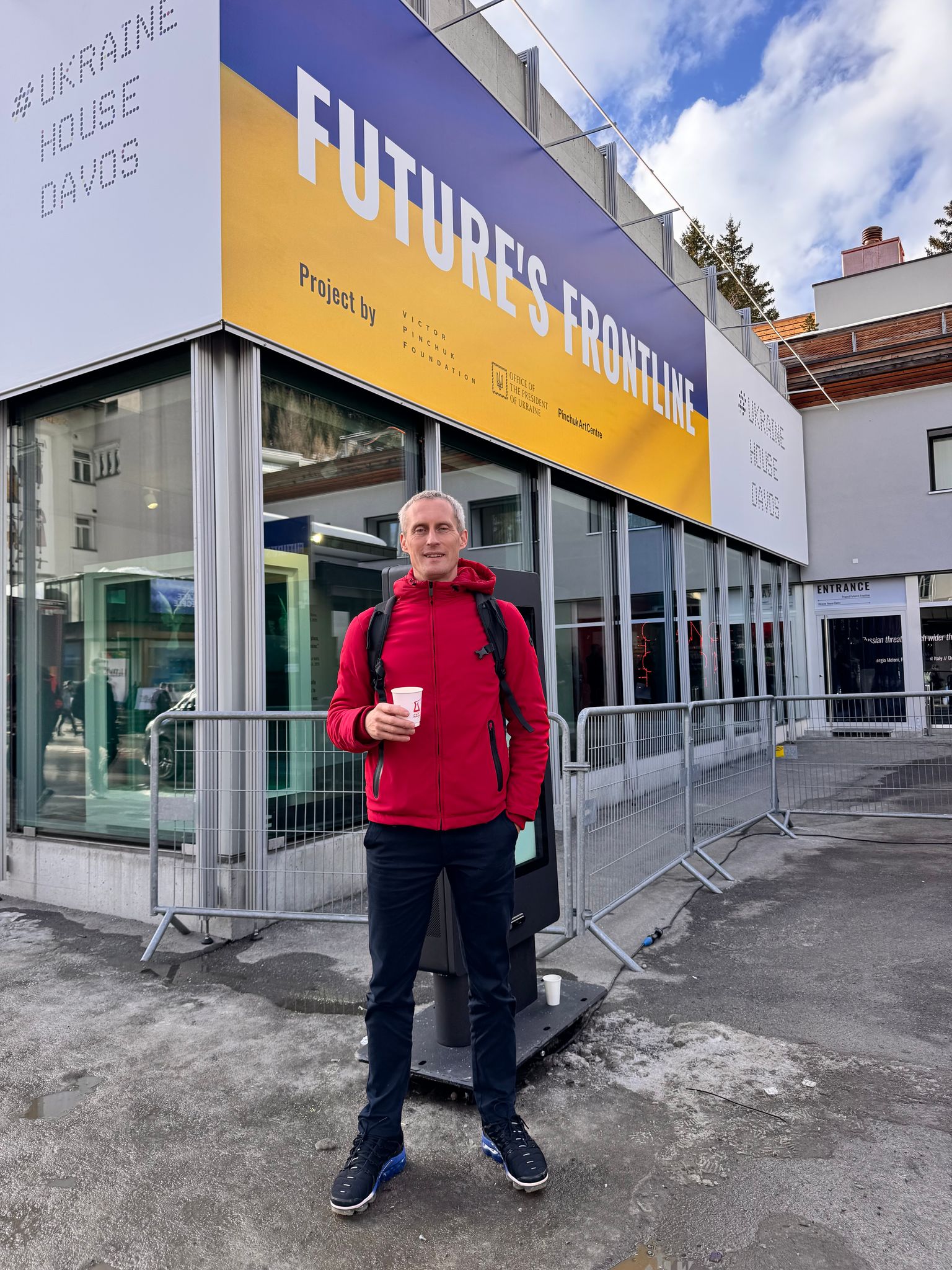
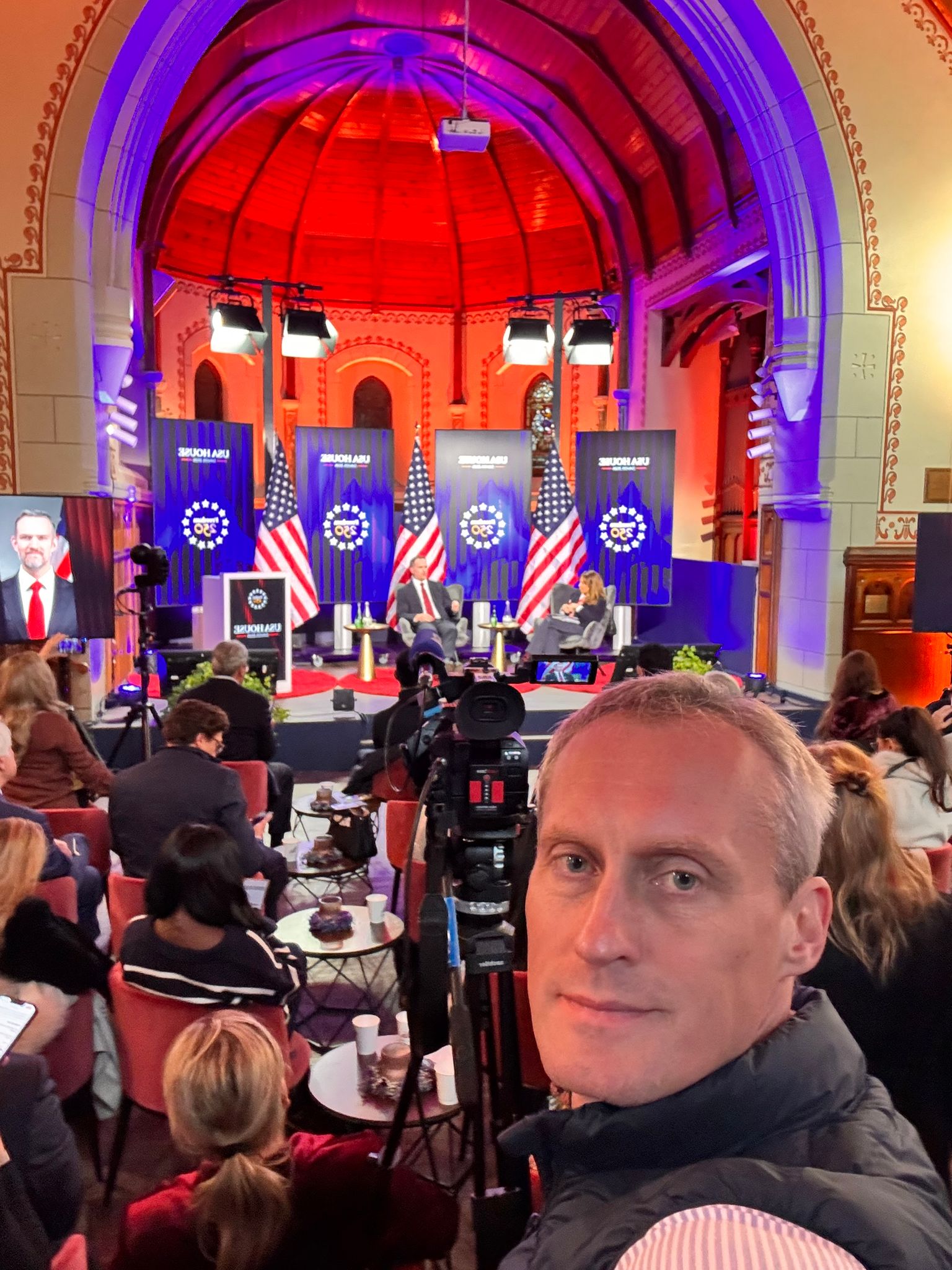
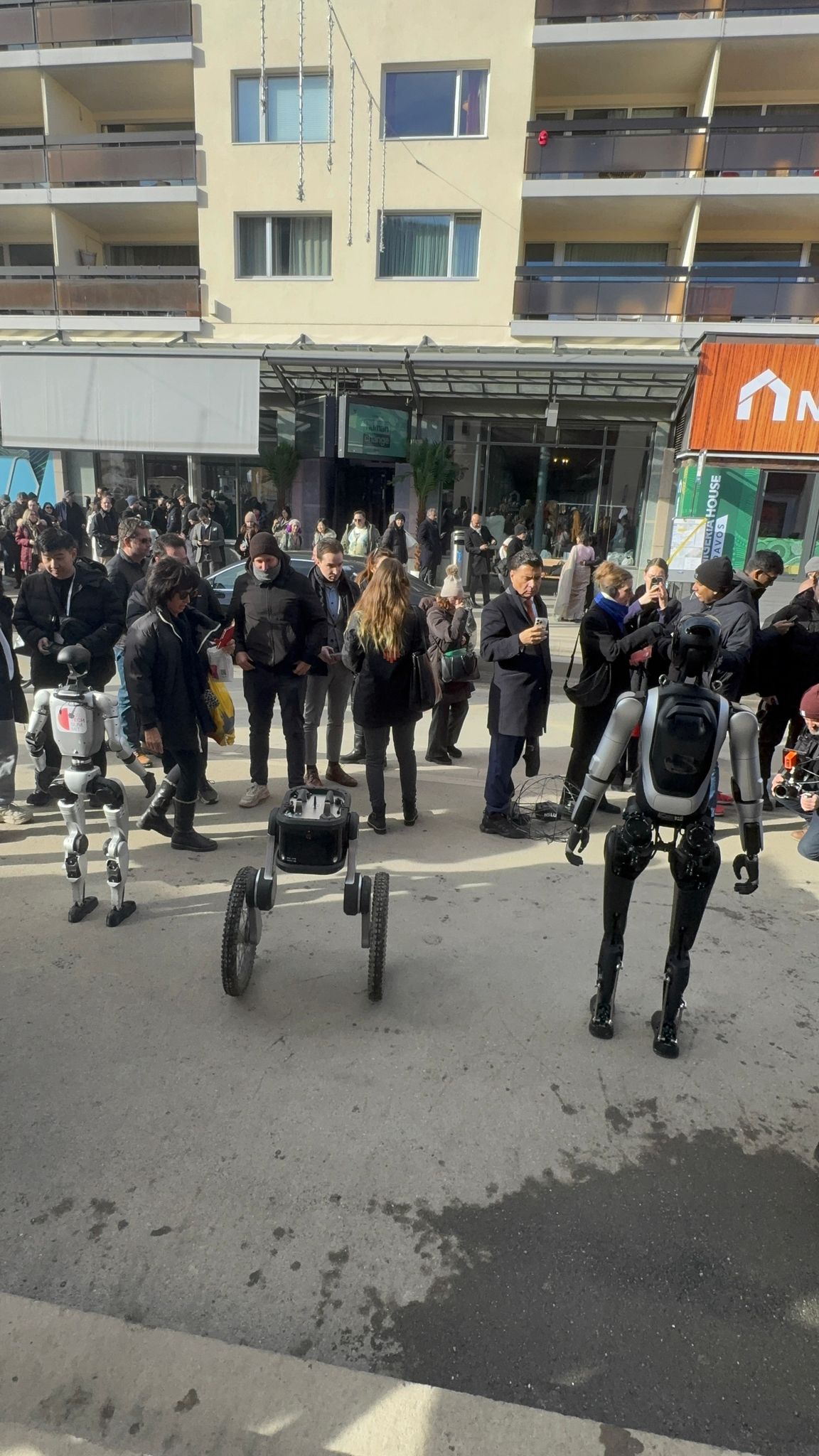
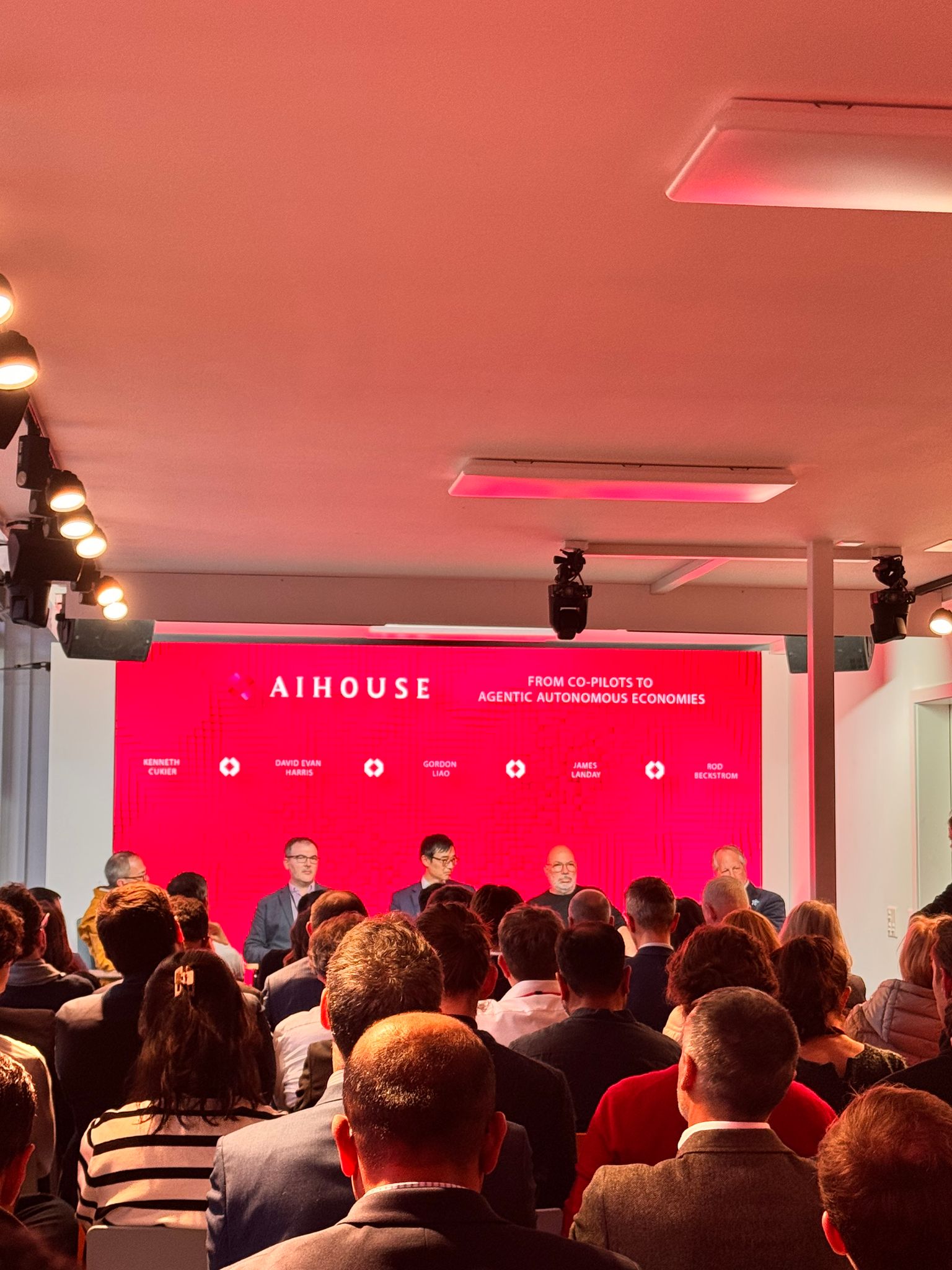
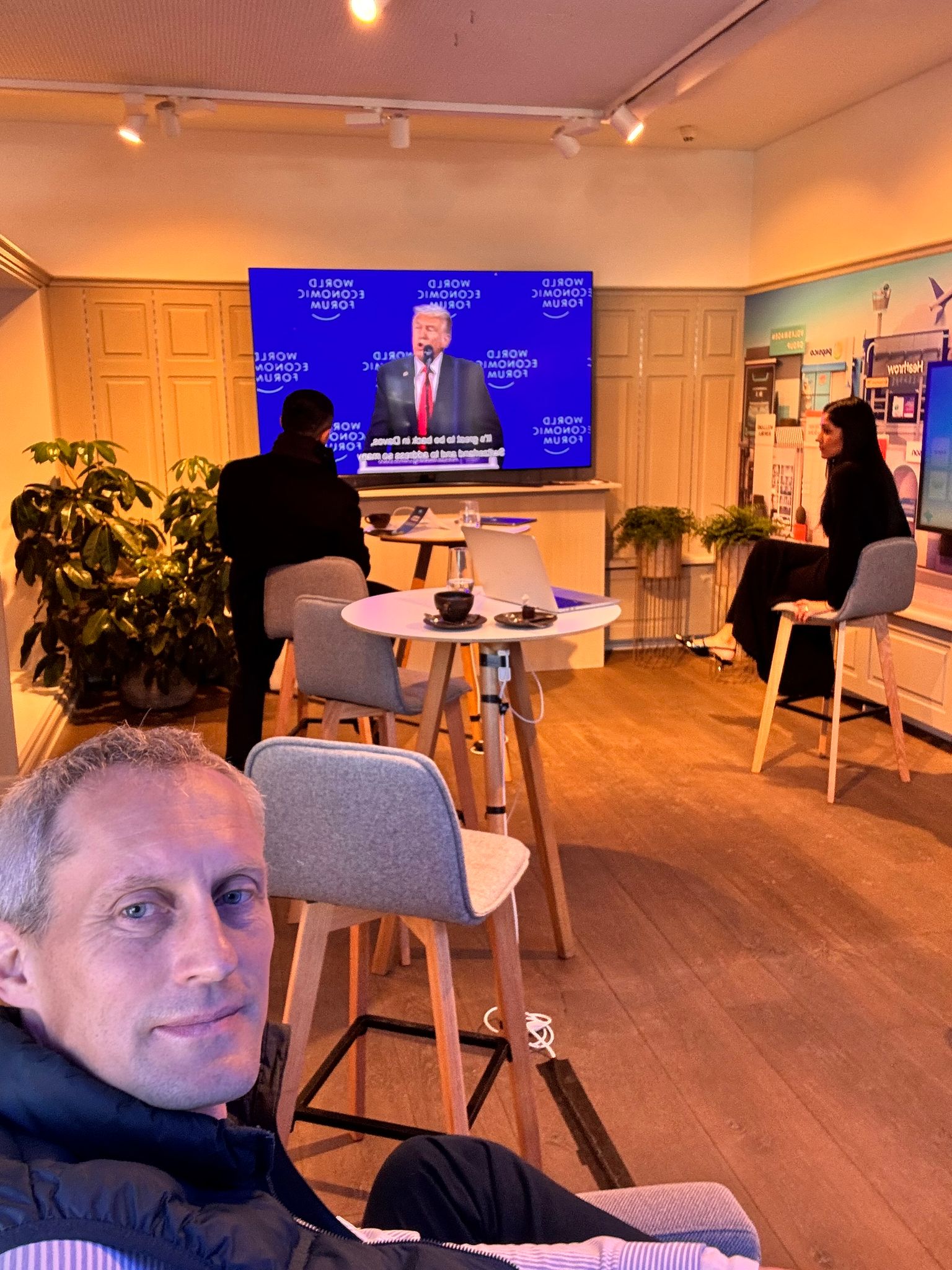
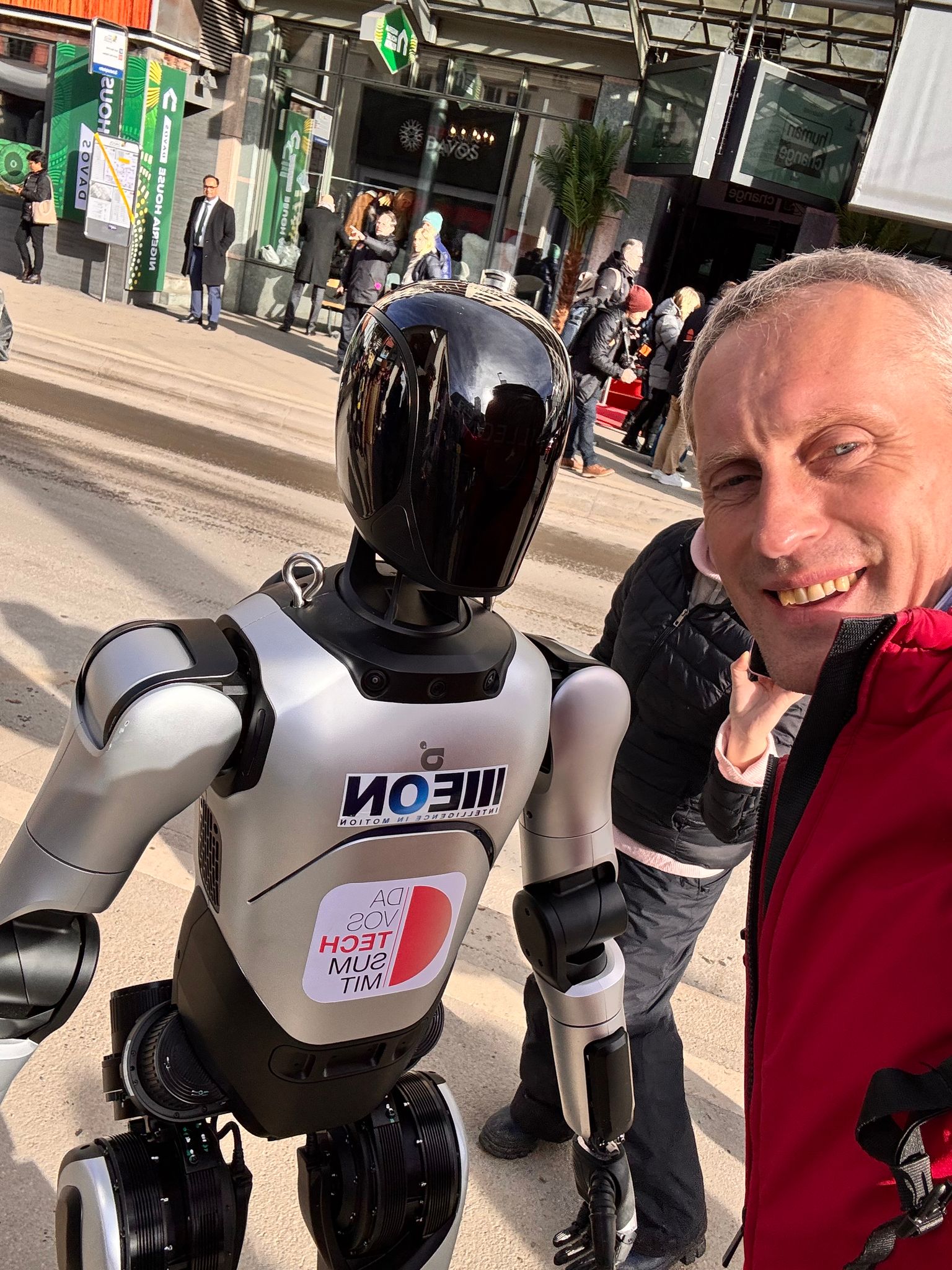
Photos from the World Economic Forum, Davos 2026. This content is published for informational purposes only. Master of Code Global is not affiliated with or endorsed by WEF.
Table of Contents
A clear shift in how leaders talk about AI
“Across many AI discussions in Davos, the emphasis shifted from ambition to execution. Instead of focusing on future breakthroughs, leaders were discussing what it actually takes to make AI work inside complex enterprise workflows,” said Dmytro Hrytsenko.
Several consistent themes emerged. Leaders spoke about the importance of designing AI adoption into organizations from the outset, rather than treating it as a layer added on later. Change management was discussed as a core requirement, not a secondary activity. And there was repeated emphasis on ensuring intelligentization initiatives are driven by concrete business needs, not by technology availability alone.
“Another recurring theme across the sessions was the importance of getting the foundations right,” highlighted Dmytro Hrytsenko. “Leaders talked about organizing data, processes, governance, and human collaboration before expecting AI to deliver sustained value. In many discussions, this was described as the difference between isolated pilots and enterprise-scale impact.”
From pilots to operational reality
The conversations in Davos reflected a broader shift happening across the market. Many businesses have already experimented with AI and validated its potential in specific use cases. The challenge now is moving beyond experimentation and embedding AI into everyday operations in a way that is measurable, responsible, and aligned with strategy.
Several executives openly acknowledged the friction involved in this transition, from legacy processes to organizational resistance. The consensus was clear: AI success depends less on model sophistication and more on how well enterprises adapt their workflows, decision-making structures, and operating models.
As Dmytro Hrytsenko observed, this perspective closely mirrors discussions Master of Code Global is having with clients today. “More companies are moving past experimentation and thinking carefully about how AI fits into their broader business architecture,” Dmytro noted. “The focus is shifting toward long-term operational value rather than short-term demonstrations.”
Why this matters for enterprises
The shift in tone at Davos signals a more disciplined phase of AI adoption. Boards and executive teams are now asking harder questions about value creation, scalability, and accountability. AI is no longer treated as an experiment. It is becoming an organisational capability that requires the same rigor as any other strategic investment.
For enterprises, this means success will depend on clear priorities, strong foundations, and realistic expectations about the effort required to scale.
About Master of Code Global
Master of Code Global is an AI implementation partner specializing in custom AI development, including Generative AI, AI agents, voice, and large-scale, enterprise-grade systems. The company works with organizations to design and deploy AI solutions aligned with real business needs, supporting adoption, integration, and long-term operational use across complex environments.
About WEF
The World Economic Forum Annual Meeting in Davos convenes leaders from government, business, and academia to discuss global economic and technological priorities. The event is widely regarded as one of the most influential forums for international dialogue on policy, innovation, and global development.