



October 16, 2026 – After attending the Customer Experience for Financial Services Summit in Toronto, our team compared notes on the questions raised in conversations at the event. One theme stood out: AI needs to improve the service customers receive while respecting the security and controls financial institutions depend on.
For the people we spoke with, this meant practical questions. Can AI work with the platforms already in place? Can it help customers find relevant information? How should access to personal data be managed? And which service outcomes should improve?
Here are the main insights Oleksii Morgun, our AI Solutions Business Development Manager, brought back from CXFS 2026.
AI Has to Fit the Systems Already in Place
Financial institutions already operate customer service platforms, support workflows, and communication channels. Introducing AI means understanding how it will work within that environment.
At CXFS, conversations often began with existing platforms and the capabilities teams wanted to add. Some discussions focused on improving the current setup. Others explored whether a different platform would better support future needs.
A new capability does not automatically require replacing the entire system. The starting point should be understanding what the existing platform can support, where its limitations lie, and which changes would improve service.
That makes integration experience an important part of AI implementation. The solution has to work with the systems and processes the organization relies on every day.
The most useful conversations at CXFS started with the service already in place: which platform the team uses, where customers need more help, and what could work better. That gives AI a clear purpose and helps define what should change.
Relevant Answers Require More Than General Information
Financial services customers often need help understanding information that applies to their particular situation. A general FAQ may explain a service. It may not explain how that service relates to a customer’s account, policy, or circumstances.
This is especially relevant when the answer sits within lengthy documentation. Customers need help finding the right information, and support teams face the same challenge. The opportunity is to make approved information easier to find and use in context. That could support both employees handling requests and customers seeking answers.
For financial institutions, this also raises an important design question: what information should the system be able to access, and under which conditions? More personalized support needs clear boundaries around the data used to provide it.
Security and Trust Are Part of the Customer Experience
Security was a recurring consideration in the discussions Oleksii recalled. Questions included how much access an AI agent should have and what information it should be allowed to share.
These decisions affect the customer experience directly. A service can respond quickly and still leave customers uncertain about how their information is being handled.
For teams planning customer-facing AI, the design needs to address:
- What information the system can access;
- Which actions it is permitted to perform;
- How customers are verified;
- What information can be disclosed during an interaction.
Trust needs to be considered alongside convenience. Improving one part of the journey should not create uncertainty elsewhere.
AI Adoption Has Different Starting Points
The conversations also reflected different stages of AI adoption.
Some organizations were still exploring how AI could support their employees. Others were discussing customer-facing agents. Banks in particular focused on routine requests that do not need a person, such as transactions, refunds, and common account questions.
This matters because the same implementation plan will not suit every institution. A team introducing its first AI-assisted workflow has different needs from one extending an established service.
A useful starting point may be helping support employees retrieve information. Another may be improving a defined self-service interaction.
The right scope depends on the organization’s current systems, capabilities, and service priorities. A focused implementation gives teams a clearer way to evaluate whether the change is useful before expanding it.


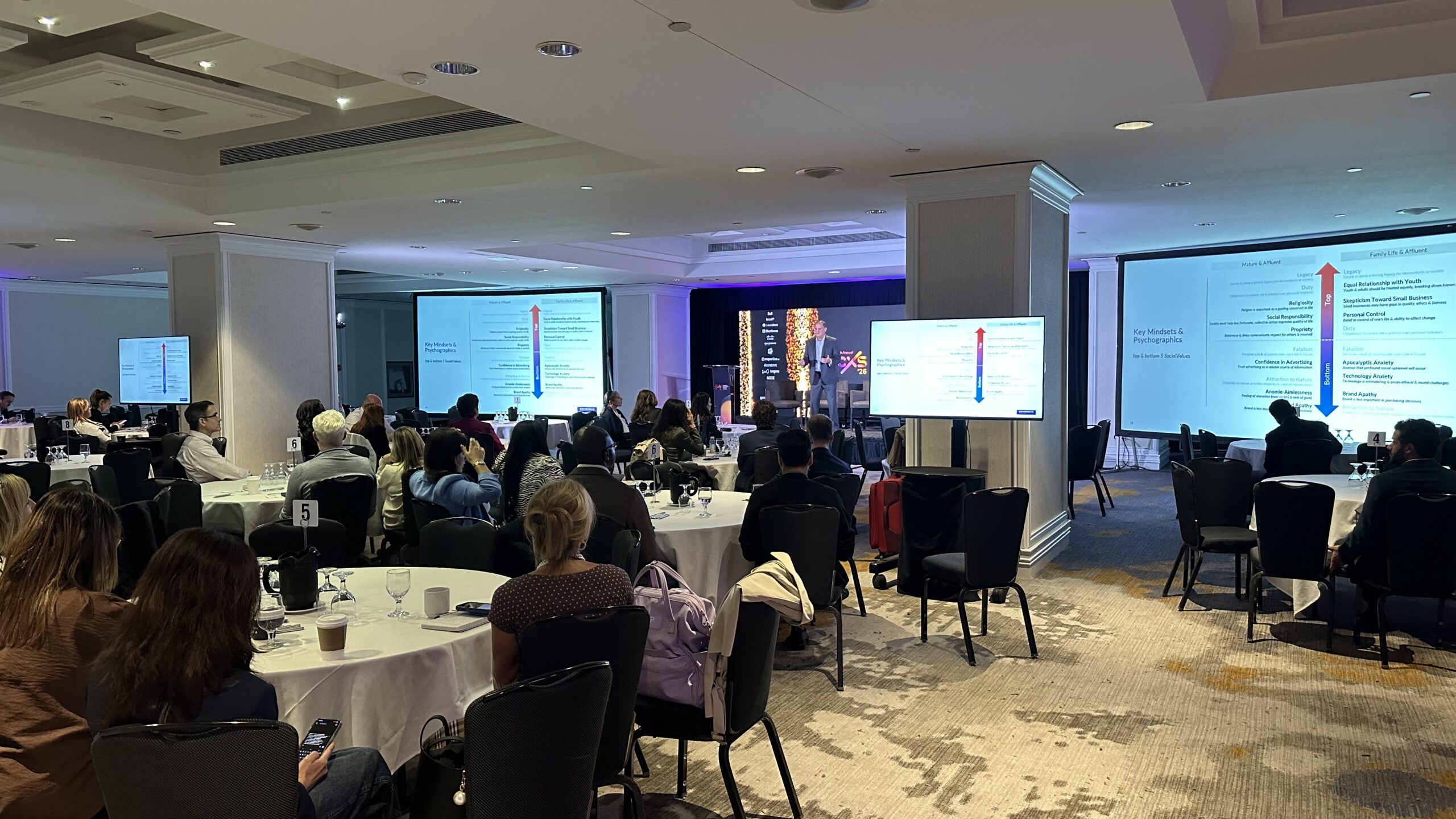
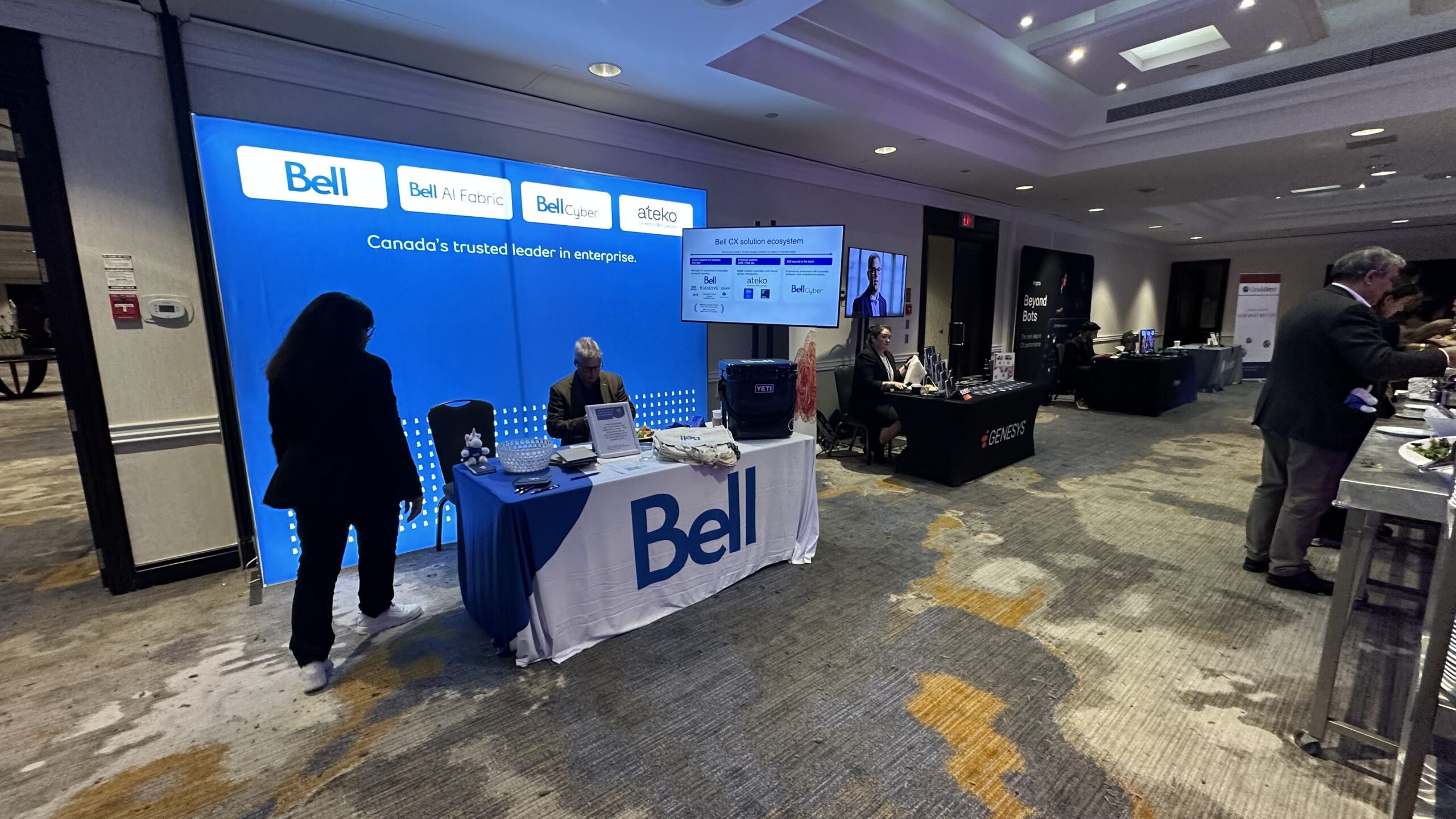

*These photos are included as part of our editorial non-commercial coverage of CXFS 2026. If you appear in a photo and would like it removed, please contact us.
Service Outcomes Give AI a Clearer Purpose
Resolution time and customer satisfaction came up in conversations about where AI could help.
These measures give teams a more concrete basis for evaluating an initiative. They connect the technology to the experience of customers and the work of support employees.
Before choosing a solution, financial institutions can define the service problem they want to address:
- Which requests take too long to resolve?
- Where do employees struggle to find information?
- Which routine questions could be easier to answer?
- How will the team evaluate service quality after implementation?
The answers help establish what success should look like. Adding AI is a technical milestone. Improving service is the business goal.
The Practical Path Forward
Our takeaway from CXFS is that useful AI begins with a clear understanding of the service it is meant to improve.
That means reviewing existing platforms, identifying where customers and employees need help, and setting appropriate boundaries around data access and automated actions. It also means choosing outcomes the team can measure.
If your organization is deciding where AI could improve customer experience, our AI Compass Sprint can help assess readiness, prioritize opportunities, and define a practical implementation roadmap.
Ready to improve customer experience with AI? Get in touch with our team to discuss your current setup, service challenges, and next steps.
About Master of Code Global
Master of Code Global is an AI implementation partner specializing in custom AI development, including Generative AI, AI agents, voice, and large-scale, enterprise-grade systems. The company works with organizations to design and deploy AI solutions aligned with real business needs, supporting adoption, integration, and long-term operational use across complex environments.
About CXFS
The Customer Experience for Financial Services Summit is an annual conference in Toronto focused on customer experience across banking, insurance, wealth management, fintech, payments, and related sectors. The event brings together leaders to discuss digital transformation, AI, data, personalization, and the future of financial services.